

Geopolitics And The Price of Silver Explained
The comments below are an edited and abridged synopsis of an article by TradingView
This article examines how Geopolitics and the Price of Silver have become increasingly connected in today’s financial environment. Rather than viewing silver purely as a precious metal, the framework argues that investors should understand silver through multiple lenses: Monetary demand, industrial demand, geopolitical developments, and broader macroeconomic conditions.
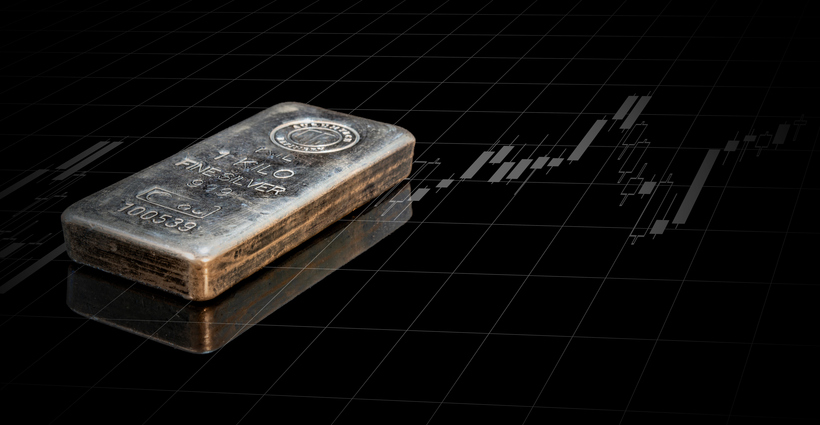
The article begins by emphasizing silver’s unique role in global markets. Unlike gold, which primarily functions as a monetary asset and store of value, silver operates as both an investment metal and a critical industrial commodity. This dual identity means that Geopolitics and the Price of Silver often interact differently than they do with gold. Silver responds not only to inflation concerns and central bank policy, but also to manufacturing trends, technology expansion, trade relationships, and geopolitical disruptions.
A key theme involves geopolitical instability. Political tensions, armed conflicts, sanctions, trade restrictions, and supply chain disruptions can influence market sentiment and investor behaviour. During periods of heightened uncertainty, investors often move towards hard assets perceived as stores of value. Silver may benefit from this safe-haven demand, although its industrial exposure can create greater price volatility than gold. Ongoing geopolitical uncertainty has increasingly reinforced silver’s strategic importance.
The article also highlights industrial demand as an essential component of Geopolitics and the Price of Silver. Silver plays a critical role in solar technology, electronics manufacturing, electric vehicles, medical applications, and defence systems. As governments prioritize energy transition initiatives and domestic manufacturing resilience, demand for strategic materials has increased. Silver’s exceptional conductivity and limited substitution potential make it increasingly valuable in a world focused on electrification and technological advancement.
Supply dynamics represent another major factor. Mining production cannot rapidly expand to meet changing demand conditions. New mining projects require significant investment, regulatory approvals, infrastructure development, and long lead times. Refining capacity and transportation logistics can create additional bottlenecks. When geopolitical events affect supply chains, silver pricing may react more sharply because physical market constraints limit flexibility. The framework suggests investors should pay attention not only to metal inventories but also to processing capacity and global trade conditions.
The article further explores macroeconomic influences including interest rates, currency movements, and central bank policy. Lower real interest rates can improve precious metals demand by reducing the opportunity cost of holding non-yielding assets. Currency weakness, particularly involving the US dollar, may also influence silver pricing. However, the framework argues investors should avoid focusing on any single driver in isolation. Silver pricing increasingly reflects overlapping economic and geopolitical forces rather than simple inflation narratives alone.
Ultimately, Geopolitics and the Price of Silver present investors with a practical lens for understanding a rapidly evolving market. Silver is no longer behaving solely as a traditional precious metal. It increasingly trades as a strategic material sitting at the intersection of monetary policy, industrial growth, global trade tensions, and geopolitical competition. Understanding those interconnected drivers may help investors better navigate silver’s volatility and longer-term opportunities.
BMG Note: The Opportunity for Silver in Today’s Market Environment
Silver sits at a unique intersection few assets occupy. It is both a monetary metal and an industrial necessity, creating a combination of demand drivers that may become increasingly important during periods of geopolitical uncertainty, currency pressure, and structural economic change.
Periods of elevated sovereign debt, persistent inflation concerns, and declining purchasing power have historically increased investor interest in hard assets. Silver has often participated in those cycles alongside gold, but with greater volatility and, at times, greater upside potential.
What makes the current environment particularly noteworthy is that silver is no longer driven solely by investment demand.
Global electrification initiatives, solar expansion, artificial intelligence infrastructure, electric vehicle production, and broader industrial modernization continue to increase demand for conductive metals. Silver remains difficult to substitute because of its exceptional conductivity properties, creating structural demand dynamics that differ from previous decades.
At the same time, mine supply growth remains constrained. Bringing new production online requires years of development, permitting, financing, and infrastructure investment. When long-term industrial demand grows faster than available supply, market imbalances can emerge.
Monetary conditions add another layer to the silver opportunity.
High debt levels across developed economies, ongoing fiscal deficits, and concerns surrounding currency purchasing power continue shaping investor behaviour. Historically, environments characterized by negative real rates and monetary expansion have supported interest in precious metals as portfolio diversification tools.
Silver also tends to occupy a different position within precious metals allocations. Gold has traditionally functioned as financial insurance and wealth preservation. Silver may offer exposure to both monetary protection and industrial growth trends.
Volatility remains part of silver ownership. Corrections can be significant even during long-term bull markets. However, for investors focused on structural trends rather than short-term price movements, silver’s dual role creates a compelling framework worth monitoring.
Markets evolve. Monetary systems change. Industrial demand shifts.
Silver sits at the centre of all three.
The opportunity is not simply about price.
It is about recognizing when multiple long-term forces begin moving in the same direction.