

US Dollar Outlook: Why Deutsche Bank Changed Its 2027 View
The comments below are an edited and abridged synopsis of an article by Jules Rimmer, Morningstar via Dow Jones
The US dollar has defied expectations in 2026. Deutsche Bank had forecast a weaker currency, but the dollar index has risen 5.4% so far this year. In a November 19 report, MarketWatch explains why the bank has changed its outlook and now expects the US dollar to remain firm throughout the first half of 2027. The shift reflects stronger American growth, higher bond yields and the growing influence of artificial intelligence investment.
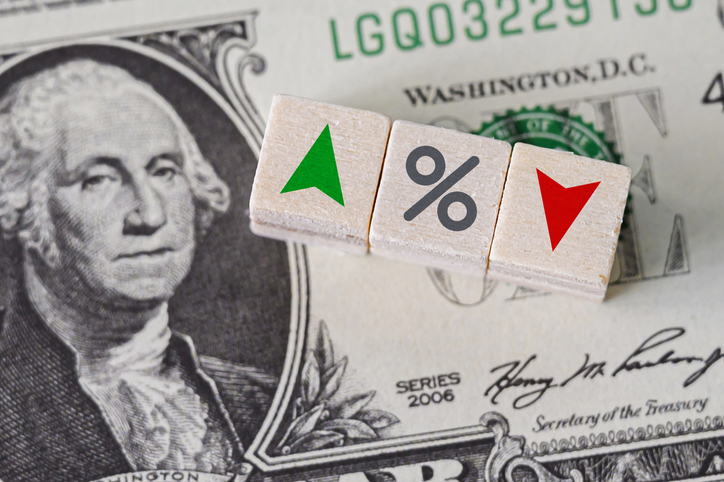
Deutsche Bank’s strategists had expected the dollar to lose ground as the exceptional performance of the US economy faded. Instead, the country has continued to attract investment. Since reaching a low in February, the dollar has gained more than 7%.
A key factor is the scale of spending on artificial intelligence. Investment in data centres, chips and related infrastructure has supported business activity and capital spending. The demand for funding has helped push real interest rates higher and attracted substantial investment into US equities. The spending has also added to inflation pressures, making the Federal Reserve more cautious about easing monetary policy. Together, these forces have supported the dollar.
Deutsche Bank expects these conditions to continue into the first half of 2027. Higher yields can attract foreign capital because investors may receive better returns from US government bonds than from comparable assets elsewhere. The bank’s revised forecasts point to a stronger dollar against several major currencies by the end of 2027.
However, the outlook is not one-sided. Deutsche Bank sees scope for the dollar to weaken in the second half of next year if the AI investment boom slows. Lower expectations for capital spending could reduce economic growth, ease pressure on real interest rates and weaken inflows into US equities. The bank also identifies risks from lower energy prices, increased currency hedging by foreign investors and America’s large fiscal and current account deficits.
The report also considers developments beyond the US. Deutsche Bank expects political uncertainty in France to weigh on the euro. In Japan, higher domestic yields, possible Bank of Japan rate increases and the return of overseas investment funds could support the yen. The bank sees Asian currencies as having room to perform more strongly.
For investors, the revised forecast is a reminder that currency markets are shaped by several forces at once. Interest-rate differences, economic growth, investment flows and political developments can all affect exchange rates. A stronger US dollar can also influence commodity prices, including gold, which is generally priced in US dollars. When the dollar rises, gold can become more expensive for buyers using other currencies, potentially weighing on demand.
BMG Perspective
BMG, we believe investors should look beyond individual currency forecasts and consider the broader forces affecting purchasing power and financial markets. Exchange rates can change quickly, and forecasts are not guarantees; the outlook remains highly uncertain. Physical gold may play a role in a diversified portfolio as a tangible asset, but its price can fluctuate and it carries risk. Understanding the relationship between the US dollar, interest rates and precious metals helps investors place short-term market movements in a wider context.