
Why Silver Is Emerging as A Critical Element of The Green Economy
The comments below are an edited and abridged synopsis of an article by Brandon Green, LinkedIn
In this article, the author argues that silver, as a critical part of the green economy, is no longer just a concept but a growing reality. As the world accelerates its transition toward renewable energy, electrification and sustainability, silver is increasingly emerging as a vital material, not only in traditional precious-metals investing, but also in the infrastructure underpinning a low-carbon future.
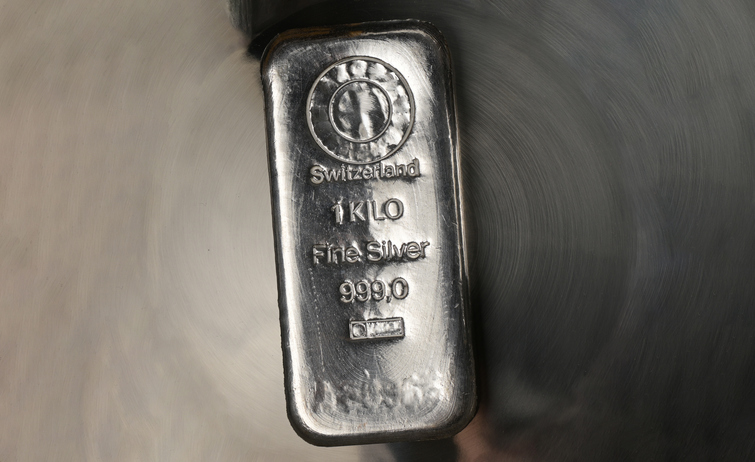
First, the author outlines the role of silver in green technology: It is used extensively in solar panels, electric-vehicle components and energy-efficient electronics. In other words, silver’s importance goes beyond its value as a commodity and into its functional utility. As demand for renewable systems expands, silver’s supply-and-demand dynamics are shifting accordingly.
Second, the piece highlights how that shift makes silver a surveillance target for both investors and policymakers. With climate-tech deployment scaling up and electrification accelerating, the idea that silver is now a critical part of the green economy underscores its dual role: a precious metal in financial markets and a strategic raw material in the green transition. The author suggests that this dual role may change market perceptions and open new investment narratives around silver.
Third, we have the structural challenge of supply. On one hand, silver mining is relatively constrained compared to the surging demand from green-tech applications. On the other hand, secondary supply (recycling, scrap) may not keep pace with growth in end-use. This means the scenario in which silver becomes a critical part of the green economy isn’t merely speculative, it may be increasingly plausible.
Fourth, the article explores how this framing impacts precious-metals investors. Because silver is now viewed through a green-economy lens, we may see its risk-reward profile shift. For instance, the conventional view of silver as a hedge or safe haven may now be complemented by a growth story tied to clean-energy infrastructure. By emphasising silver as a critical part of the green economy, the author argues that investors need to revisit their assumptions about what drives silver’s value.
Finally, the article concludes with questions for the future: Will silver’s growing role in the green economy translate into sustained price pressure or premiums? How will supply bottlenecks and recycling efforts evolve? And will silver’s dual nature—precious metal and green-tech feedstock—reshape its market behaviour? The key takeaway is that positioning silver as a critical part of the green economy is more than a clever thesis; it may reflect a structural change in how silver is perceived.
Overall, the article makes a compelling case that silver is moving into the spotlight—not just as shiny metal, but as a foundational component of the clean-energy transition. The notion of silver as a critical part of the green economy invites investors, analysts and industrial strategists alike to pay closer attention.