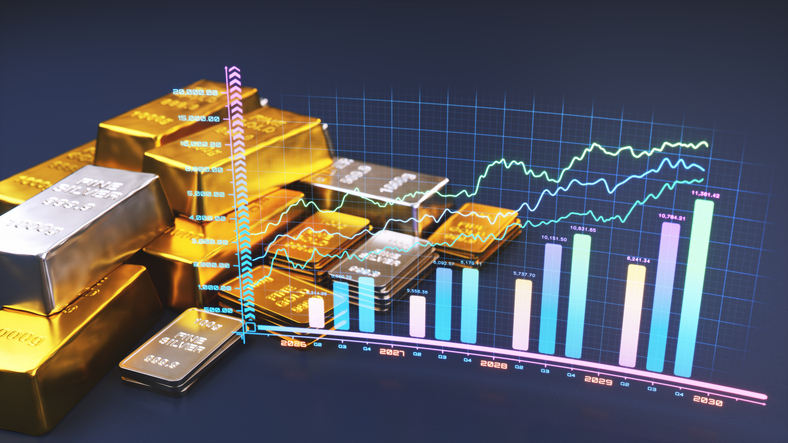

Silver Price Breakout 2026: Why Silver Could Surge
The comments below are an edited and abridged synopsis of an article by Charles Pitts, Linkedin
Silver entered a transformative period in 2026, with a combination of persistent supply deficits, industrial demand and supportive macroeconomic conditions creating a compelling case for a higher price. The silver price breakout 2026 is increasingly shaped by fundamentals, as the metal serves a dual role as both a monetary asset and an essential industrial commodity.
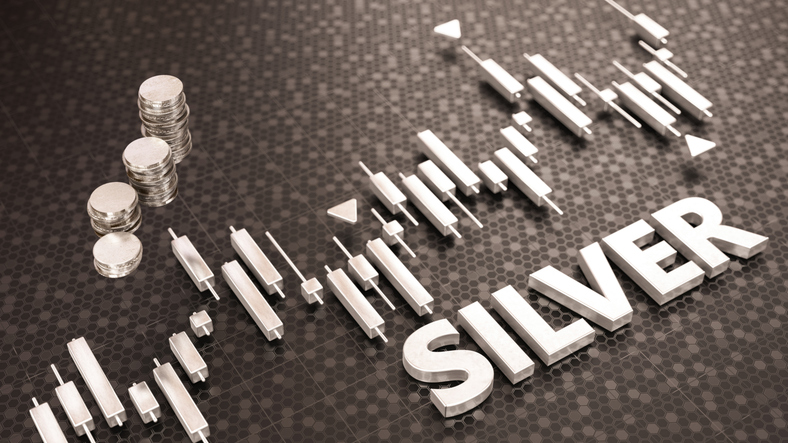
One of the most significant factors behind the silver price breakout 2026 is the market’s continuing structural supply shortage. Global silver demand has exceeded supply for several consecutive years, drawing down available inventories and leaving the physical market increasingly constrained. Mine production has struggled to respond because much of the world’s silver is produced as a by-product of lead, zinc and copper mining. As a result, higher prices cannot quickly generate more primary silver production.
Industrial demand is another important driver. Silver’s exceptional electrical conductivity makes it indispensable in a range of technologies, including solar photovoltaic systems, electric vehicles and advanced electronics. The expansion of renewable energy infrastructure is therefore adding a powerful source of long-term demand. Solar manufacturing in particular is consuming an increasing share of industrial silver, while improvements in high-efficiency cell technologies continue to support demand despite efforts to reduce the amount of silver used per unit.
Monetary policy also influences the silver price breakout 2026 outlook. A less restrictive Federal Reserve, declining real interest rates or expectations of future rate cuts can improve the appeal of non-yielding precious metals. Silver can benefit from these conditions while also retaining its traditional relationship with gold. At the same time, geopolitical uncertainty and concerns about inflation and currency purchasing power can encourage investors to seek precious metals as a form of wealth protection.
Silver’s distinctive dual role may be important today. Gold is primarily viewed as a monetary and reserve asset, whereas silver combines monetary characteristics with industrial utility. This means silver can benefit from both investment demand and economic activity. When these forces move in the same direction, price movements can become more pronounced.
The silver price breakout 2026 thesis does not mean prices will rise in a straight line. Higher interest rates for longer, a stronger US dollar, weaker industrial activity or increased recycling could create periods of correction. Technical resistance can also produce short-term price fluctuations.
Nevertheless, the underlying supply-demand imbalance provides a foundation for the outlook. New mines require capital, permitting and development time, meaning the market cannot rely on an immediate supply response. If industrial consumption continues to grow while mine production remains constrained, available physical inventories could become increasingly important to price discovery.
For investors, the silver price breakout 2026 represents more than a potential price target. It reflects a broader change in how silver is valued: not simply as a precious metal that follows gold, but as a strategic resource supporting the energy transition and modern technology. With supply constraints, industrial demand and monetary factors converging, silver may be entering a new phase in its market cycle.