

Gold as a Reserve Asset: Why Central Banks and Investors Continue to Turn to Gold
The comments below are an edited and abridged synopsis of an article by Hillary Remy, Markets, Tech, Personal Finance Writer, The Street
Gold as A Reserve Asset: Why The World Continues to Value Physical Gold
Gold has played a central role in the global financial system for thousands of years, serving as a store of value, a medium of exchange, and a symbol of financial strength. Recent discussions surrounding US Treasury Secretary Scott Bessent’s comments on American gold reserves have renewed interest in the role of gold as a reserve asset and why governments and investors continue to pay close attention to the precious metal.
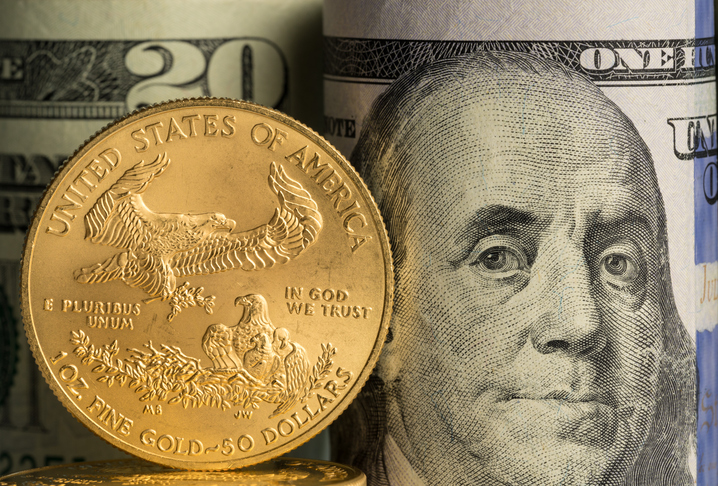
While today’s monetary system is based on fiat currencies rather than direct gold backing, central banks around the world continue to hold and accumulate gold. This ongoing demand highlights the continued importance of gold as a reserve asset in a changing economic landscape.
From Gold-Backed Money to Fiat Currency
For much of modern history, currencies were linked directly or indirectly to precious metals. The global monetary system changed significantly in the 1970s when the US ended the convertibility of the US dollar into gold, transitioning the world toward a fiat currency system.
Under a fiat system, currencies derive their value from government credibility, economic strength, and public confidence rather than a physical commodity backing them. This shift changed the role of gold, but it did not eliminate its importance.
Instead, gold evolved into a financial asset held by central banks, institutions, and individuals seeking protection against currency depreciation, inflation, and economic uncertainty. This is why gold as a reserve asset continues to be relevant decades after the end of the gold-backed monetary system.
Central Banks Continue to Accumulate Gold
One of the strongest indicators of gold’s ongoing importance is the continued purchasing activity from central banks. Countries around the world have increased their gold holdings as they seek greater balance within their reserves.
Unlike fiat currencies, gold cannot be created through monetary policy decisions. Its limited supply and physical nature make it distinct from traditional financial assets.
For many nations, holding gold provides an additional layer of financial security and independence. This growing focus on gold as a reserve asset reflects broader concerns surrounding inflation, government debt levels, currency stability, and geopolitical uncertainty.
Gold’s Role for Investors
Gold has historically performed a unique role within investment portfolios. Unlike stocks or bonds, gold does not rely on corporate earnings or government repayment promises. Instead, its value is linked to scarcity, confidence, and its long-standing function as a form of wealth preservation.
During periods of financial uncertainty, investors often turn towards physical gold as a way of protecting purchasing power and reducing exposure to risks within traditional financial markets.
The continued discussion around gold as a reserve asset reinforces why many investors view physical ownership as a strategic component of long-term wealth preservation.
BMG’s Perspective: The Continued Opportunity for Gold
At BMG, we believe the renewed focus on gold as a reserve asset highlights an important reality: Gold’s role in the global financial system has never disappeared.
While currencies, markets, and economic policies continue to evolve, gold remains a tangible asset with a history measured over thousands of years. Central bank demand, fiscal challenges, and ongoing questions surrounding currency purchasing power continue to support the long-term case for physical gold ownership.
Gold is not simply a commodity; it is a globally recognized store of value that has helped preserve wealth through changing economic environments.
For investors seeking protection, stability, and long-term purchasing power preservation, gold continues to represent an opportunity worth considering.