

China Keeps Buying Gold And Dumping US Debt in 2026: What It Means
The comments below are an edited and abridged synopsis of an article by Andrew Moran via The Epoch Times
The fact that China keeps buying gold and dumping US debt captures a major shift in global reserve strategy. The People’s Bank of China’s gold reserves continue to rise while the country reduces exposure to US Treasury holdings. Data shows China added to official bullion holdings for the fifteenth straight month, signaling a long-term approach to reserve diversification.
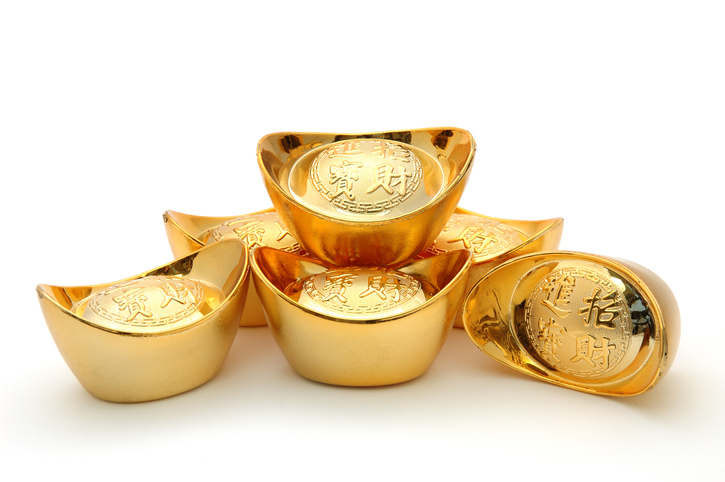
By the end of January 2026, China’s central bank reported roughly 74.19 million fine troy ounces of gold on its balance sheet, slightly above the prior month’s total. This marked sustained buying even after gold’s sharp price corrections earlier in the year.
The shift reflects broader changes in how China manages foreign exchange reserves. Official data indicates that China has significantly reduced holdings of US Treasury securities over the past decade. Its share of US debt has fallen to levels not seen since the late 2000s, and China now holds a smaller percentage of total foreign-held Treasuries compared with previous years.
This transition is not sudden, but it has been accelerating. Analysts note that China’s move toward gold comes amid concerns about currency risk and US fiscal pressures. By shifting exposure from dollar‑denominated debt to physical gold, Beijing appears to be prioritizing assets that are seen as neutral and durable.
Experts point out that central bank gold buying and reduced sovereign debt holdings are not isolated to China. Many emerging market central banks have been increasing bullion reserves as part of reserve diversification strategies. In 2025, global gold investment demand significantly outpaced central bank purchases, underscoring robust interest across sectors.
Gold’s appeal in this context is tied to its role as a hedge against currency volatility and geopolitical risk. Countries holding large foreign reserves often reconsider exposure to assets vulnerable to political machinations or sanctions. China’s long‑term accumulation of gold suggests officials are thinking beyond short‑term price moves.
While China’s gold holdings grow, its reduced Treasury exposure highlights an evolving perspective on US debt. Treasury securities have historically been a safe haven and core reserve asset for many countries. But reduced appetite for Treasuries by some major holders points to concerns about reliance on dollar‑denominated assets amid rising US federal debt levels and shifting geopolitical dynamics.
This dynamic has broader implications for global finance. A decline in demand for US debt from a major foreign holder puts upward pressure on yields, potentially affecting borrowing costs worldwide. Meanwhile, fresh demand for gold supports the precious metal’s role as a strategic reserve asset rather than a speculative commodity.
As China continues this dual strategy—boosting gold reserves while paring back US Treasury holdings—it underscores a longer trend toward reserve diversification and reduced dependency on any single currency or asset class. This trend is likely to influence global reserve management and investor behaviour in the coming years.
In summary, “China keeps buying gold and dumping US debt” is not just a catchy statement. It reflects ongoing strategic adjustments by one of the world’s largest reserve holders. This shift has implications for currency markets, reserve dynamics, and perceptions of risk in global finance.